
What Miners Need to Prepare Before Deploying New ASIC Hardware in 2026
As crypto mining operations continue to scale, the focus is no longer limited to which ASIC miner delivers the highest hashrate. In 2026, many miners are realizing that infrastructure planning plays an equally important role in long term success. Power availability, cooling capacity, and operational layout now determine whether new mining hardware performs as expected or becomes a costly bottleneck.
Before adding new ASIC miners to an operation, miners must evaluate their electrical capacity. Modern mining hardware draws significant power, and improper electrical planning can lead to downtime, equipment stress, or safety risks. Ensuring stable power delivery, proper circuit allocation, and adequate load balancing is essential. This preparation allows miners to deploy equipment confidently without risking operational disruptions.
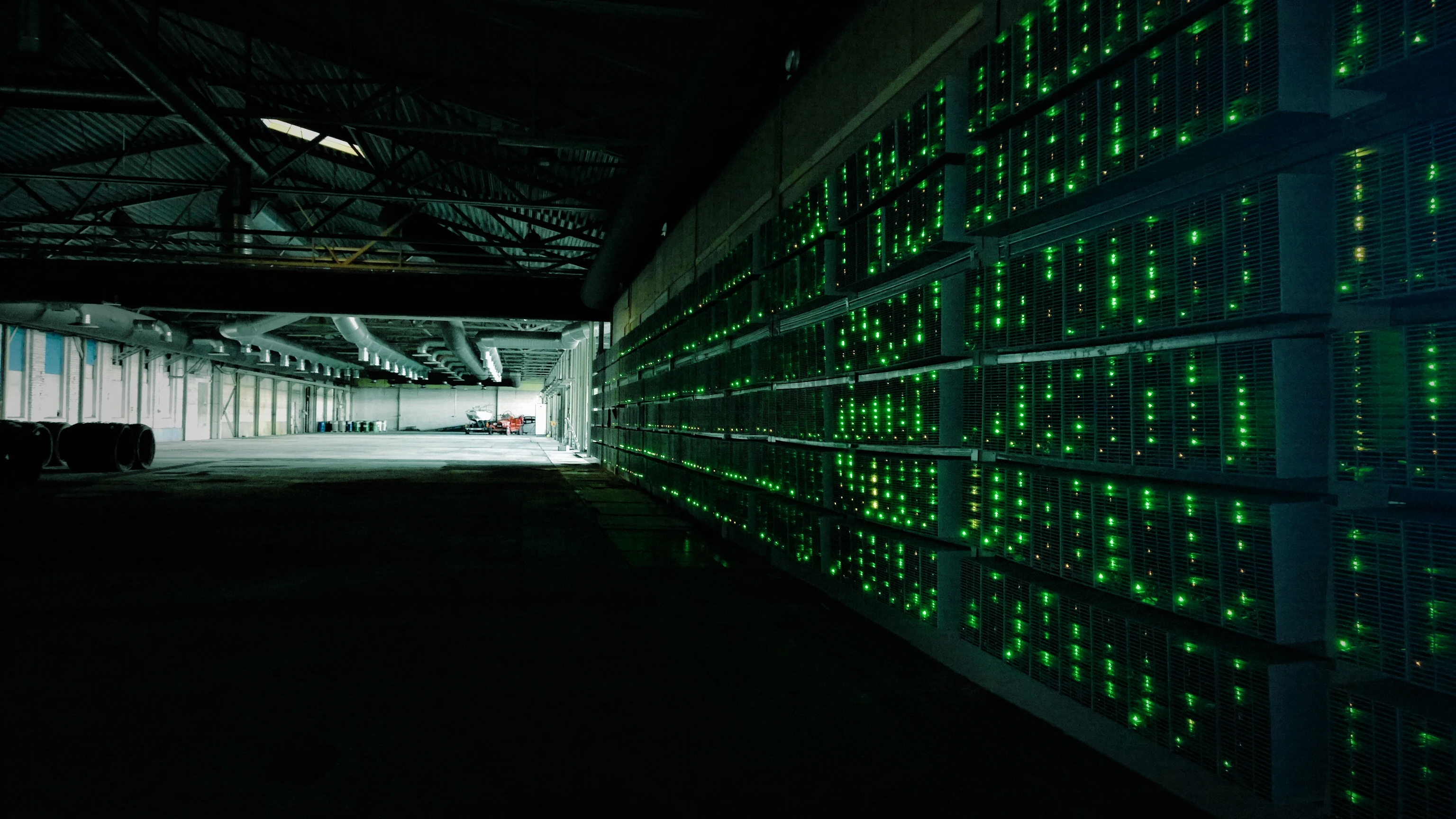
Cooling is another critical consideration. ASIC miners generate continuous heat, and inadequate ventilation can quickly reduce efficiency or shorten hardware lifespan. Proper airflow management, exhaust routing, and temperature monitoring are now standard requirements for professional mining setups. Miners who plan cooling systems in advance are better positioned to maintain consistent performance during peak operation periods.
Space utilization also plays an important role. As operations grow, miners must think beyond individual machines and focus on layout efficiency. Rack spacing, cable routing, and maintenance access all impact daily operations. A well planned environment simplifies repairs, reduces downtime, and improves overall workflow. These operational details often determine how scalable a mining operation can become over time.
This infrastructure-first approach aligns with the way Blokforge supports miners who are building or expanding serious operations. Instead of focusing solely on hardware specifications, Blokforge serves miners who understand that equipment performance depends heavily on the environment in which it operates. Access to professional grade ASIC miners is most effective when paired with proper operational planning.
Once infrastructure readiness is addressed, miners can select hardware that fits their environment. Models such as the Bitmain Antminer S21 XP are often deployed in locations where balanced power consumption and predictable heat output are required. For operations with greater electrical and cooling capacity, the Bitmain Antminer S19 Pro 110Th allows miners to increase output without compromising stability.
Diversified operations also require thoughtful planning. Scrypt miners like the Bitmain Antminer L9 16.2G introduce different heat and power profiles compared to SHA-256 miners. Preparing infrastructure to handle mixed mining hardware allows operators to expand into additional networks while maintaining operational control.
Another factor miners are considering is long term maintenance. Accessible layouts, organized cabling, and clear airflow paths make it easier to service machines and replace components. This reduces downtime and improves operational efficiency over the life of the hardware. Planning these elements early helps miners avoid costly reconfigurations later.
As mining operations become more professionalized, infrastructure planning is no longer optional. Successful miners treat power, cooling, and layout decisions with the same importance as hardware selection. Preparing the operational foundation before deploying new ASIC miners helps ensure performance consistency, safety, and scalability.
In 2026, the miners who succeed are not just those with efficient hardware, but those with environments built to support it. By approaching mining as a complete system rather than a collection of machines, operators can create setups designed for stability and long term sustainability.